Battery Conditioning for Fast Charging: What 2026 EV Owners Need to Know
Fast charging is convenient, but the way a battery behaves during a high-power session depends heavily on temperature and state-of-charge. Most modern EVs run an active thermal-management system that warms or cools the pack toward an ideal window, and many will "precondition" the battery automatically when you route to a DC fast charger in the vehicle's navigation. Letting that process run before you plug in generally helps the pack accept power more readily.
State-of-charge matters too. As a rule of thumb, DC fast charging is quickest in the lower and middle range and slows noticeably as the pack fills, which is why charging to 100% at a fast charger takes disproportionately long. For everyday convenience many owners top up to around 80% on the road and save full charges for slower Level 1 or Level 2 charging at home. The U.S. Department of Energy's Alternative Fuels Data Center is a good, vendor-neutral starting point for how home and public charging levels and connectors differ.
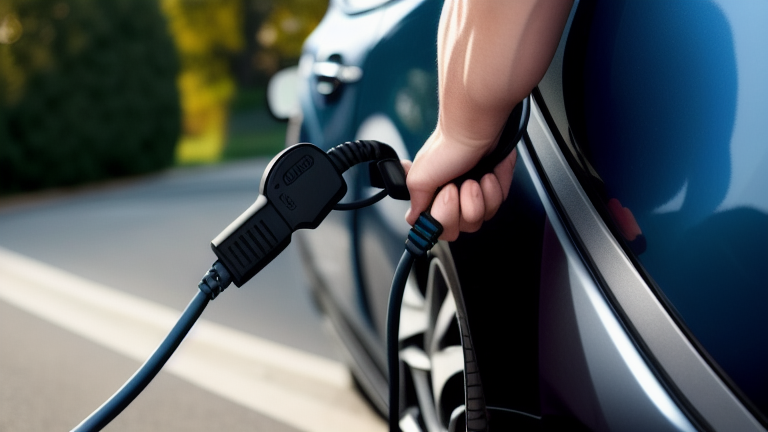
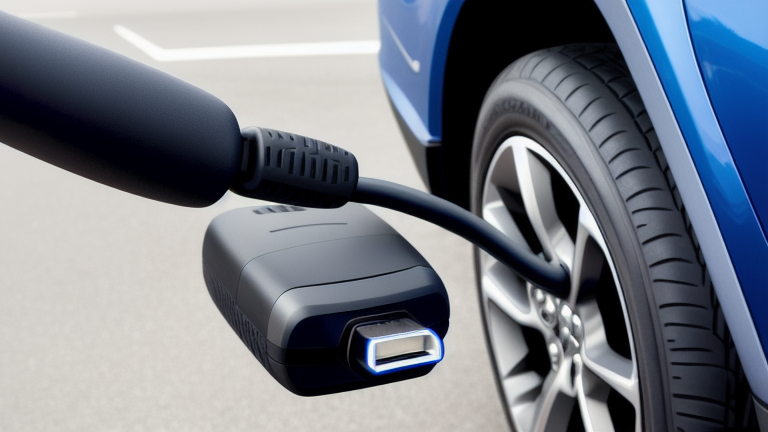
Standards are worth understanding as well. The SAE J1772 connector remains common for Level 1 and Level 2 AC charging, while newer vehicles increasingly reference the SAE J3400 (North American Charging Standard) connector. Exact conditioning behavior, recommended charge limits, and warranty guidance vary by manufacturer, so always confirm specifics in your vehicle's owner documentation rather than relying on general rules.
Sources: U.S. DOE Alternative Fuels Data Center — Charging at Home; SAE International — J1772 Charging Standard